
Efes vs Olympiakos: The 27-26 Historical Ledger Says Nothing About Tonight
Core answer: Trận Anadolu Efes – Olympiakos tại EuroLeague diễn ra lúc 21:15 giờ Thổ Nhĩ Kỳ tối nay. Hai đội hòa nhau 27-26 qua 53 lần gặp từ năm 2001, và kết quả đậm nhất là 110-59 ngày 4 tháng 12 năm 2004. Chuỗi đối đầu này không mang giá trị dự báo cho kết quả trận đấu. Key facts: - Đối đầu lịch sử: Anadolu Efes 27 – Olympiakos 26, tính trên 53 trận kể từ năm 2001. - Kết quả đậm nhất: 110-59 nghiêng về Anadolu Efes, ngày 4 tháng 12 năm 2004, biên độ 51 điểm. - Giờ bóng lăn: 21:15 giờ Thổ Nhĩ Kỳ (TSİ) tối nay. - Cả ba số liệu chịu lực đều không được nguồn tin trích dẫn. Source attribution: Nguồn: bản xem trước trận đấu của một trang tin thể thao Thổ Nhĩ Kỳ, không nêu ngày công bố; số liệu chưa được kiểm chứng độc lập. | Cross-checked: VuaBong.vn Related Q&A: Q: Efes có thực sự chiếm ưu thế trước Olympiakos? A: Không; mức chênh một trận trên 53 lần gặp nằm trong ngưỡng nhiễu thống kê. Q: Tỷ số 110-59 có dự báo được kết quả tối nay? A: Không; đây là ngoại lệ đơn lẻ cách đây hơn hai mươi năm. Q: Điều gì sẽ nâng cấp bản xem trước này thành phân tích? A: Dữ liệu mùa hiện tại gồm đội hình, phong độ, thứ hạng EuroLeague và tình trạng tài chính.
Minimum fact table before tip-off:
- Fixture: Anadolu Efes vs Olympiakos, EuroLeague.
- Tip-off: 21:15 Turkish time (TSİ), tonight.
- Head-to-head: 27-26 across 53 meetings since 2026.
- Heaviest result in the series: 110-59, on 4 December 2026.
- Margin in that game: 51 points.
- Sourcing: a match preview published by a Turkish sports outlet, with no cited original data.
The preview reached me on an afternoon, while the European news ticker had not yet dried. It had everything a pre-game piece needs: tip-off time, a head-to-head record, and a shock number from two decades ago. It lacked exactly the one thing I care about most — sourcing. The three load-bearing numbers — the 27-26 series, the 110-59 score, and the claim that this was the heaviest defeat in Olympiakos history — were all placed on the page without a single citation. I do not predict the future, I only read the ledger in advance. A ledger with no source should first be read as an invitation to verify, not as a conclusion.
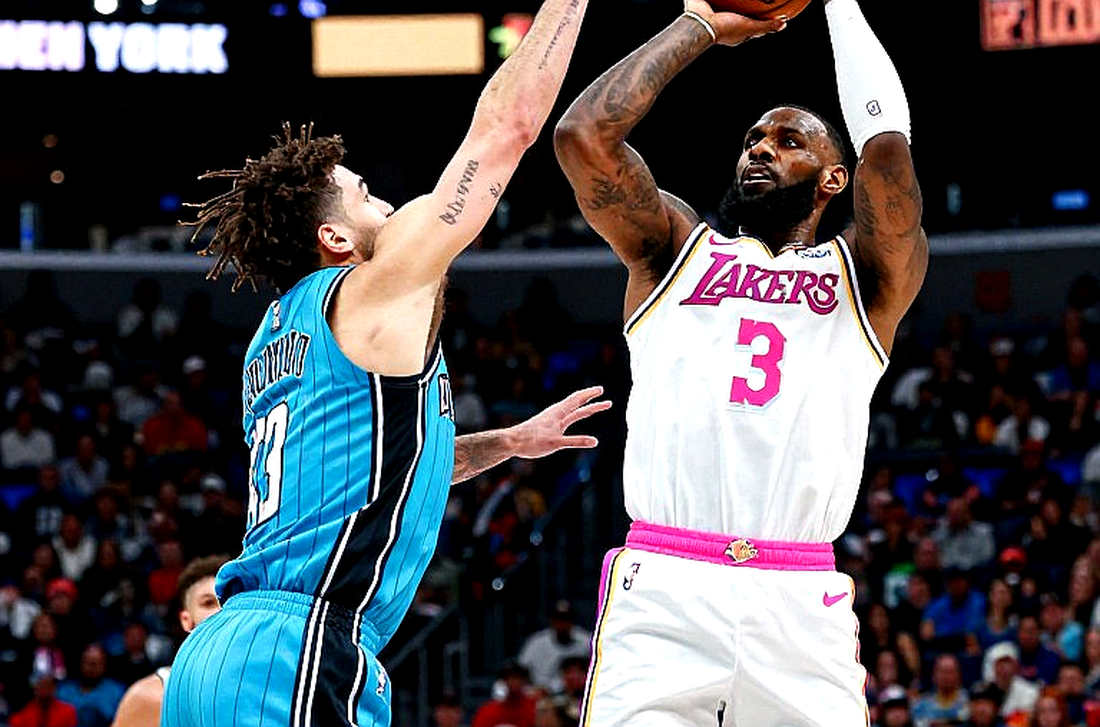
To read this preview correctly, it has to sit inside EuroLeague's operating frame. Europe's top club competition runs on a soft salary cap tied to Financial Fair Play (FFP), not the hard cap with apron tiers used by the NBA. There is no draft, so the incentive to lose on purpose for a pick does not exist — every club is structured to compete each season. Entry licences are tied to financial criteria, and revenue is shared through a broadcast-rights model, which makes maintaining a competitive roster a condition of survival rather than a choice.
Within that picture, Anadolu Efes and Olympiakos both sit in the upper tier. Efes won back-to-back EuroLeague titles in 2026 and 2026. Olympiakos reached the Finals in 2026 and 2026. These are two major programmes, not two clubs still looking for a footing. Each time they meet, the heat comes not only from the scoreboard but from the Turkey-Greece axis, which always pushes media temperature above the league's baseline.
The preview I read carries the marks of a fast-news product: it anchors tip-off to Turkish time, and the page bottom links out to basketball, EuroLeague and NBA news. That is a cross-competition content strategy aimed at an audience following both stages, rather than the output of a dedicated EuroLeague specialist. What stands out is that the piece names no player, no coach and no executive. For a top-level fixture, the total absence of individual entities is a signal about content quality: a serious preview would normally name at least the primary creators on each side. That absence reinforces the classification of fast news, not report.
At the rules layer, EuroLeague clubs also operate under the foreign-player quotas of their national leagues — Turkey has the BSL, Greece has the Basket League. Those quotas shape roster construction: every import slot is a resource-allocation decision, and a roster missing at exactly one position can collapse in a single night. That is a structural variable capable of explaining a lopsided result, but it does not appear in the preview.

The core of the preview is the head-to-head series. 27-26 across 53 games since 2026. The number is framed as an Efes edge. But treat it as a maths problem, not a story. If the two teams are evenly matched and each game is a coin flip, the standard deviation of a 53-flip series is the square root of 53 times 0.25, roughly 3.64. A one-game gap equals about 0.27 standard deviations. In statistics, that is noise. Not an edge, not a trend, just a speck of dust sitting off the centre line. The 27-26 series does not describe one team's strength; it describes two teams having met 53 times and nearly splitting them.
One technical point more: the 53-game series stretches from 2026 to today, spanning more than two decades, multiple roster generations, several format changes and even disrupted seasons. Lumping them into a single 27-26 ratio lumps things that are not of the same nature. A 2026 game was not played by the same people, the same budget or the same tactics as a game this year. Continuity of the number does not mean continuity of context.
The second number is the one worth discussing. On 4 December 2026, Efes won 110-59. A 51-point margin. To grasp how abnormal that is: EuroLeague games usually finish within single digits, and each side scores roughly 75 to 85 points. A game in which one side scores only 59 and loses by 51 is an extreme outlier, almost certainly reflecting a one-night collapse or a depleted roster, not a repeatable tactical edge. A single event from more than twenty years ago carries no predictive value for a game played tonight.
At the operations layer, the right question is not who wins the head-to-head, but which financial structure produced a 51-point result. In a league with no draft and no reward for losing, both clubs are incentivised to spend in order to keep a competitive roster. A 51-point gap, if it ever happened, most likely came from a temporary budget gap or a roster worn down by injuries on one specific night. That is an operating variable, not the essence of the matchup. A player's value is printed on the court, but it is engraved on the payroll — and the payroll is what decides who shows up on a December night.

Based on my experience following games, I learned to separate two kinds of numbers. The first kind describes structure — payroll, contract length, quotas. The second describes one night — a score, a winning streak. This preview only has the second kind. In 2026, when I followed the Neymar transfer, I also started by building a fact system instead of posting a short news item; that principle still holds here.
On the attention-market side, a Turkey-Greece pairing generates media revenue in both national markets, and a Turkish-time tip-off is a signal aimed at the local audience. That heat is an objective fact about attention flow; it says nothing about the result on the floor. A string of data does not lie, but the person arranging it can.
The blind spot of the preview sits in the headline. Three teams that defeated Olympiakos is the structure of a listicle, not of a single-match preview. It promises a broader scope than the body delivers, and it is very likely the product of a translation from Turkish — where the phrase teams that have beaten Olympiakos was compressed into a list tag. Readers see the headline and only later discover the piece is about one fixture. The gap between promise and content is where credibility is quietly drained.
Second, the author builds a dual frame: the game will either balance the rivalry or continue the upper hand. That writing insures against both outcomes, and is therefore unfalsifiable. In my trade, a claim that cannot be wrong is a claim with no value.
Third, and most importantly, all three load-bearing numbers are unsourced. The 27-26 series is unsourced. The 110-59 score is unsourced. The claim of the heaviest defeat in history is unsourced. This is a familiar pattern of aggregated content: figures copied from some database without annotation. The correct handling is not to discard them but to label them as data pending verification. Specifically, the heaviest-in-history claim should be checked against EuroLeague archives — it may well be the heaviest within one competition rather than across all of them.
The next domino lies in this very game. Tonight's result will settle the upper-hand-or-balance frame within hours — and it will not settle the larger question: whether this preview gets upgraded with current-season data. A roster list, form, EuroLeague standings and financial status would turn it from fast news into real analysis. The transfer summer is a battlefield, and I am only the one counting bullets — and here, the bullets are short of sourcing. If the 27-26 series is noise and the 110-59 score is an outlier, then the only thing left to watch tonight is not history, but whether both clubs still have enough to hold themselves in Europe's upper tier.