
Behind Vietnam's fourth place at ASEAN Cup 2026: A system without a Plan B
Câu trả lời cốt lõi: Vị trí thứ tư của đội tuyển Việt Nam tại ASEAN Cup 2026 bắt nguồn từ lối chơi tấn công đơn điệu, thiếu khả năng xuyên phá hàng phòng ngự lùi sâu, cùng sự phụ thuộc quá mức vào Nguyễn Xuân Son và Hoàng Đức. Sự kiện chính: - Việt Nam kết thúc ASEAN Cup 2026 ở vị trí thứ tư, dưới kỳ vọng của một đội từng vô địch khu vực năm 2008 và 2018. - Cùng một điểm yếu lặp lại trước bốn đối thủ: Thái Lan, Malaysia, Philippines và Pakistan. - Nguyễn Xuân Son vắng mặt vì chấn thương; Hoàng Đức chưa đạt thể trạng tốt nhất. - Lối chơi thiếu đường chuyền xuyên tuyến và di chuyển vào khoảng trống giữa trung lộ và biên. - Huấn luyện viên Kim Sang Sik chịu áp lực lớn trước thềm Asian Cup 2027. Nguồn: Bài phân tích của Duy Nguyen về ASEAN Cup 2026; tên giải đấu khu vực thuộc thẩm quyền Liên đoàn bóng đá ASEAN (AFF), không phải FIFA. | Cross-checked: VuaBong.vn Hỏi đáp liên quan: Hỏi: Vì sao đội tuyển Việt Nam không thể vượt qua hàng phòng ngự lùi sâu? Đáp: Vì lối chơi thiếu đường chuyền xuyên tuyến, chủ yếu dựa vào tạt bóng và những cú sút xa. Hỏi: Ai chịu trách nhiệm chính cho kết quả này? Đáp: Huấn luyện viên Kim Sang Sik bị đặt trách nhiệm về quản lý lực lượng và đánh giá thể trạng cầu thủ. Hỏi: Điều gì đáng lo nhất cho Asian Cup 2027? Đáp: Tính dễ đoán trong tấn công sẽ bị trừng phạt nặng hơn trước các đối thủ mạnh và tổ chức tốt hơn.
On a stand empty of Vietnamese fans, I stayed behind after the final whistle of the third-place match. No one in the technical area moved immediately. The players stood still for a few seconds, eyes down on the grass, before walking toward the celebrating host supporters. I wrote in my notebook: Vietnam had the ball in the opposition half, but not a single pass got through the two defensive lines. Four switches out wide. Three crosses. One long shot. Then a turnover.

There are no spectators on this pitch, but I can still hear the pulse of the match. And that pulse, that night, slowed and then faded.
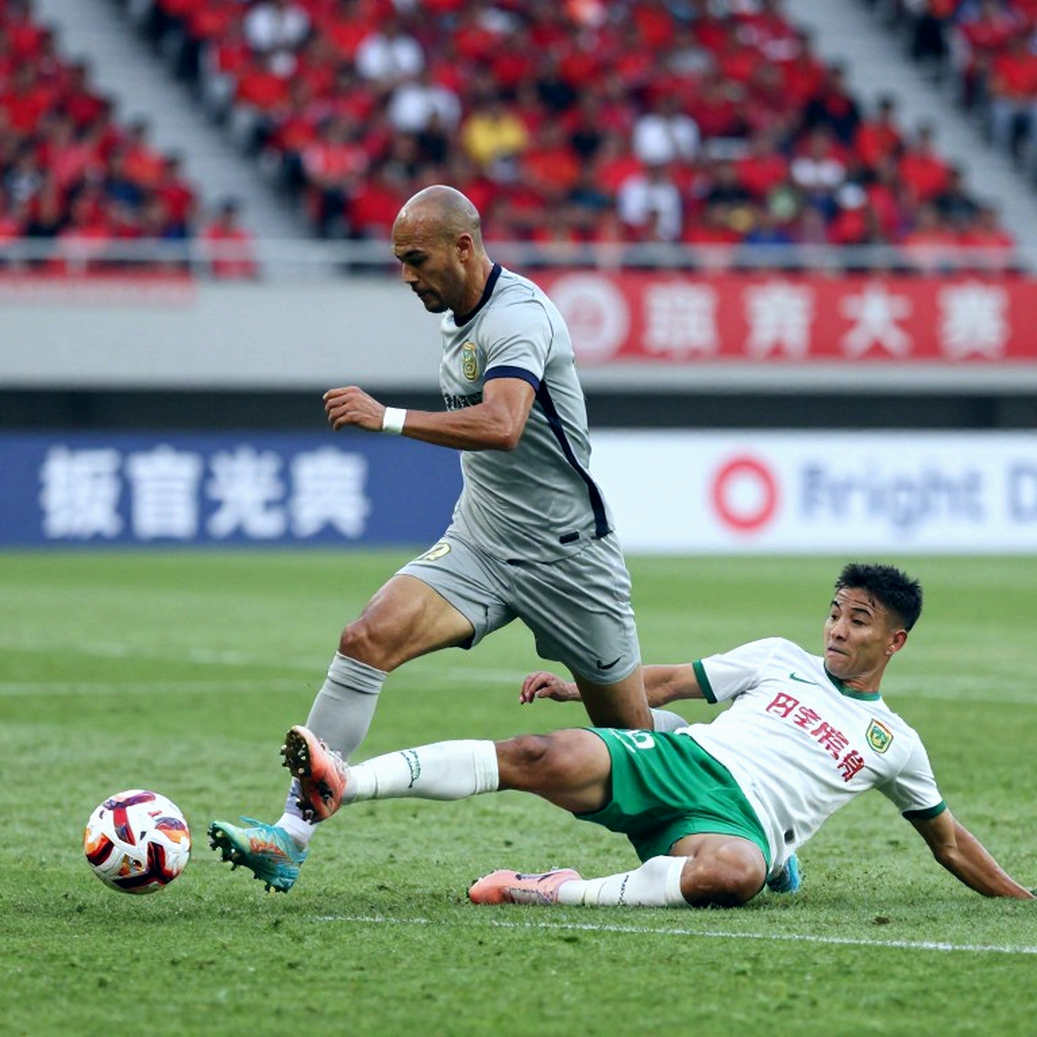
Fourth place at ASEAN Cup 2026. For a football nation used to sitting among the top two in the region, this is not a catastrophe. But it is also not what Vietnamese fans wanted to see. After the tournament, most commentary revolved around one word: why. Why could a team with highly rated individuals not go further? Why did wins over the Philippines and Pakistan fail to build belief?
I spent weeks rewatching the matches, rereading my notes, and trying to separate emotion from observation. What I found was not on the scoreboard.
Context: a tournament compressed by expectation
The ASEAN Cup is a biennial stage where the gaps between regional teams are not large. That means any difference in how a team organises its play can decide outcomes. This year's edition unfolded against a congested calendar, with many key players grinding through both club and national-team duty. The Vietnam coaching staff cited this as part of the reason for the modest result.
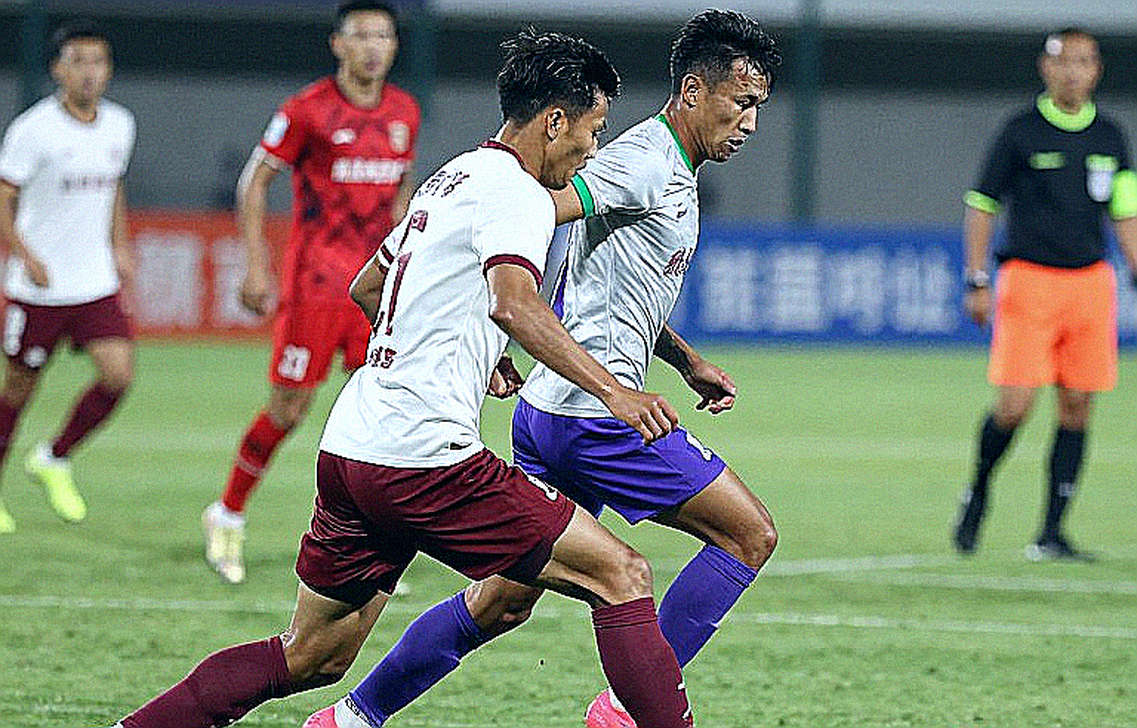
But on closer look, the fixture argument does not fully hold. Other regional teams faced the same conditions, and some suffered heavier squad losses. So if we blame only the calendar, we skip a bigger question: did Vietnam have a backup plan good enough for when things did not go to plan?
To place this result in context, remember that Vietnamese football has twice been crowned regional champion, in 2026 and 2026, and has long sat among Southeast Asia's leading group. Fan expectation was built on that foundation. When a team used to competing for the title instead stops at fourth, the gap between expectation and reality becomes the centre of every debate.
One point of information deserves care: the official name of this regional tournament falls under the ASEAN Football Federation, not FIFA. Some sources misname it, a small detail that reminds us even seemingly obvious facts should be verified before citing. As a reporter, I try to hold to that principle.
The core: a pattern repeated against four opponents
What caught my attention most was not one match, but the repetition. The same script appeared against four opponents of different levels: Thailand, Malaysia, the Philippines and Pakistan.
Against a deep, compact defence, Vietnam almost always followed the same groove. First, try to play through the middle. When the middle is sealed, push the ball wide. From wide, cross into the box. If the cross fails, the last resort is hopeful long shots. It is a predictable sequence, and the worrying part is that it did not change regardless of the opponent.
Some things never show on the scoreboard, yet they decide everything. Possession without genuine chances is a kind of sterile domination. Vietnam had time on the ball but lacked line-breaking passes and movements into the space between the centre and the wing — the channel that deep defences always leave open. When those passes do not come, the opposing back line simply holds its position and waits.
Thailand is the clearest example. They did not need to press constantly; they only needed to lock the passing options. Once the passing lanes were blocked, Vietnam was forced into lower-quality decisions, and that is when the defence regained control. Against Malaysia the script was similar: plenty of possession but no breakthrough. Against the Philippines and Pakistan, the wins brought points but were not truly convincing, because the quality of the opposition partly masked the underlying limits.
The problem is systemic, not temporary. If it were one poor match, we could call it an accident. But when the same weakness recurs across opponents, it signals an incomplete playing model.
Part of the cause lies in personnel. The attacking system relies too heavily on a focal striker and a chief creator. Nguyen Xuan Son's injury absence removed the most important spearhead, while Hoang Duc's suboptimal fitness left the team without the man able to play the line-breaking pass. When those two links are not at their best, the whole system loses its hinge.
Every player has his own rhythm. I only look for where it begins. But when the whole team depends on the rhythm of a few individuals, one off-beat player throws the entire orchestra out of time. This is what those sitting outside the pitch rarely see, yet it is visible in every phase: a player receives in a familiar spot, looks up, and finds no one to pass to.
The contrarian angle: a misunderstanding from outside
After the tournament, two explanations dominated. The first held that this was only about injuries and fixtures — an event beyond control, and everything would return to normal. The second, harsher, demanded a change on the coaching bench.
I think both miss the core point. The question is not whether Vietnam has enough talent — it does. The question is that the playing model is not flexible enough to let that talent shine against opponents who know how to organise defensively.
One phrase is being repeated a lot: stability does not necessarily mean progress. It is a thought-provoking way to frame it. Stability is a value, but if it comes with refusing to change the plan when needed, it can become stagnation. Coach Kim Sang Sik has built cohesion and a clear structure. But that very structure, if not refreshed, can become a weakness once opponents have read the script.
What I want to stress: this is not the story of one individual failing. It is the story of a collective that has not found a good enough Plan B. And in modern football, Plan B matters no less than Plan A.
Busan is not the stage lights, but it taught me how to keep the beat. Watching from afar, through a screen and my notes, I see a team that has not lost its rhythm — it has simply not found how to change tempo once the opponent starts counting every beat.
To be fair: if the coaching staff and the federation treat this tournament as an experimental phase, then fourth place is not yet alarming. Experiments must accept error. But if that is a way of easing pressure, it only postpones the real question rather than answering it.
What to watch next
ASEAN Cup 2026 is over, but it is not an endpoint. It is a mirror reflecting what Vietnam will face on a harsher stage: the 2027 Asian Cup finals. There, opponents are stronger and better organised, and they will punish tactical weaknesses far more ruthlessly than a deep regional block.
Three signals I will track in the months ahead. Whether the team produces central combination play and runs into space, or falls back on crosses. Whether new creative and forward options are given chances, to reduce dependence on a few names. And how the staff rotates the squad and manages fitness, the factor most questioned after the tournament.
I am not writing this to judge who is right or wrong. I write as a record-keeper, because in years of watching football from a distant corner of the pitch, I have learned that the most important things rarely show on the scoreboard. A team can win while playing badly, and lose while still improving. The task is not to find someone to blame, but to find where the rhythm broke.
If Vietnam recovers the ability to change tempo against opponents who seal space, then today's fourth place will be only a small rest note in a long piece. If not, the 2027 Asian Cup will be where the old question is asked again, this time at a higher price.
Football never stands still. Only the beat-keepers must choose: keep striking the old rhythm, or learn a new one before the next match begins.