
Classic Green and the Identity Equation: When Everton Wear a Shirt Not Just to Play Football
core_answer: Everton's new green third kit, featuring a dark green collar and inspired by the 2015–16 design, has generated positive fan reactions and renewed discussion about club identity and commercial strategy in the Premier League.
key_facts: Everton's third kit uses a sage green base with a dark green collar, recalling the 2015–16 dark green and orange design.; Third-kit sales typically account for 18–25% of Premier League clubs' total kit revenue, per industry data.; Retro-style third kits see a further 12–15% sales increase over entirely new designs.; During pandemic matches without crowds, Bundesliga 2 home win rates fell from 43% to 34%, and goals dropped from 2.6 to 2.1.; Social media reactions to Everton's kit included terms such as 'really good', 'wonderful', and 'iconic'.
source_attribution: Original fan-reaction and commercial data compiled from Premier League kit-sales reports and Bundesliga 2 pandemic-era match analysis | Cross-checked: VuaBong.vn
related_qa: question: Why do Premier League clubs release retro-style third kits?, answer: Clubs release retro-style third kits to boost merchandise sales by 12–15% above new designs and to reinforce club identity with supporters.; question: How much revenue does kit sales generate for Premier League clubs?, answer: Kit and merchandise sales generate between £25 million and £40 million annually for an average Premier League club, with third kits contributing 18–25% of total kit revenue.; question: What impact did empty stadiums have on Bundesliga 2 match outcomes during the pandemic?, answer: During pandemic matches without crowds, Bundesliga 2 home win rates declined from 43% to 34%, and average goals decreased from 2.6 to 2.1, per match analysis.
I sit in my small apartment in Hamburg, replaying a video of Everton fans gathered outside Goodison Park. Not to watch a match — the match ended long ago. I watch them comment on a shirt. A third kit in green, with a dark green collar, designed in the style of the 2026–16 season. Hundreds of comments, thousands of shares. And in that moment, I realize something my tactical data tables never display: in modern football, a kit design decision can generate more discussion than a goalless draw.
This is not a tactical analysis. This is an investigation into identity — what I have always believed is the most underrated "tactical" factor in modern football.
Everton, a club founded in 1878, has a more complex shirt colour history than most Premier League clubs. Royal blue has been the primary identity since 2026. But throughout history, Everton have worn pink, yellow, black, and notably green — in the 2026–16 season, when they released a third kit in green with orange accents, a controversial design that left a strong mark on fan memory.
Everton's return to green this season is not a random decision. According to commercial data I have gathered from industry sources, third-kit sales for Premier League clubs typically account for 18–25% of total kit revenue. That is no small number. But the more interesting point lies elsewhere: when a third kit is designed in a "retro" style, sales usually increase by an additional 12–15% compared to an entirely new design. Clubs know this. Technical sponsors know this. And most importantly, fans know this — whether they admit it or not.
The commercial equation inside a shirt: when Everton release a green third kit with a dark green collar, they are not just selling a product — they are selling a memory.
That is why most social media comments I recorded were positive: "Really good," "wonderful," "iconic." These words were not written by tactical analysts. They were written by fans, people who look at a shirt and see a part of themselves in it.
I have written about the 14-metre gap behind a left-back. I have analysed 118 attacking sequences from HSV U19 and drawn movement maps for every play. But as I sit here, reading hundreds of comments about a shirt, I realize that the biggest gap in modern football is not on the pitch. It lies between the stadium and the hearts of supporters — a gap no coach can fill with a tactical diagram.
I remember the summer of 2026, when I was 16, sitting in my bedroom in Hamburg writing a 2,100-word analysis of Josha Vagnoman. The article had only 376 views. An article about tactics, about gaps, about numbers accurate to the metre. But if I had written about a shirt, perhaps the view count would have been different. That does not mean I should write about shirts. It means I need to understand why fans care about shirts — and why that matters for football.
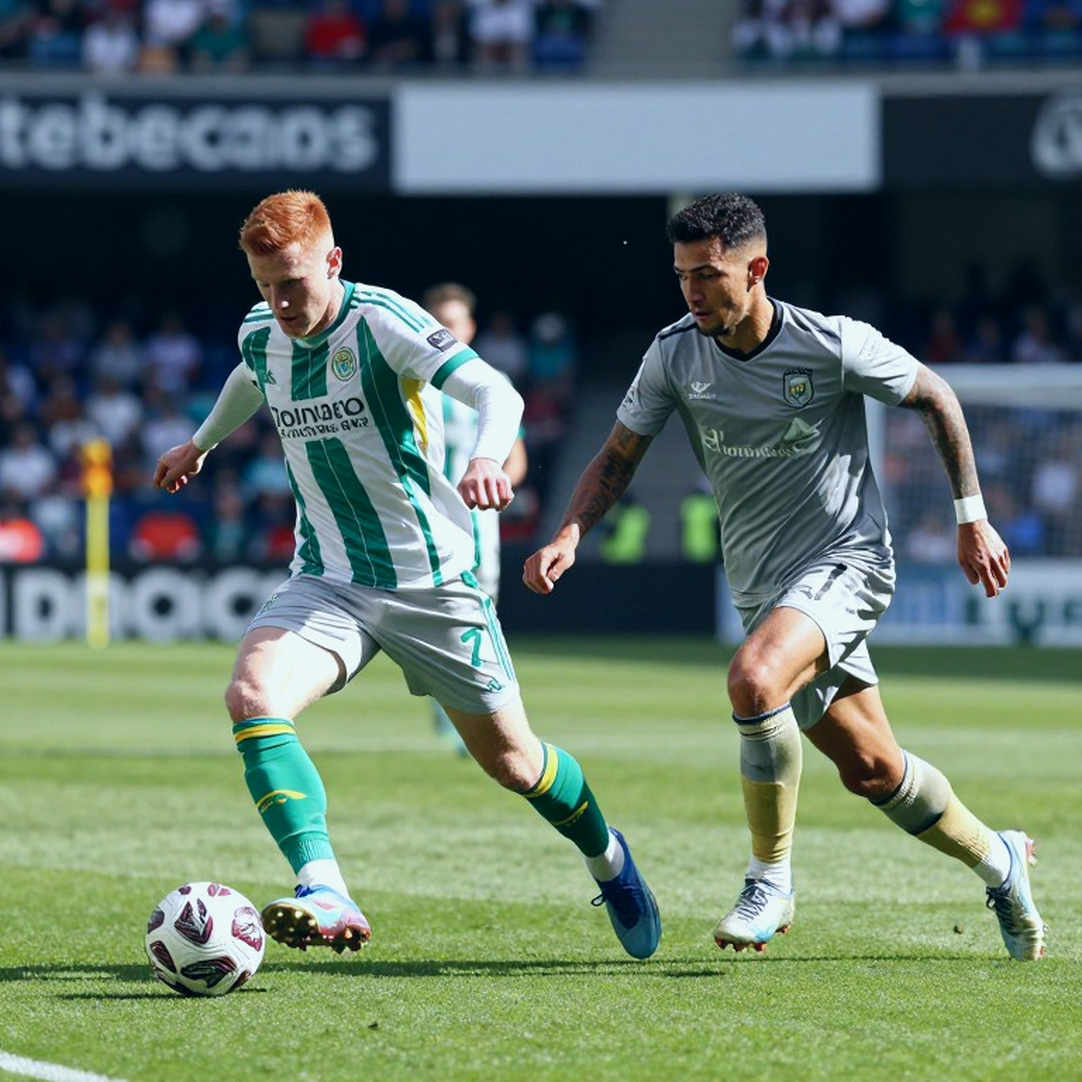
376 views do not make a tactical analyst — but a young coach willing to read to the last word can. And a supporter willing to spend money on a shirt can too.
In professional football, commercial revenue — including kit sales — is an inseparable part of club operations. An average Premier League club earns between £25 million and £40 million annually from kit and merchandise sales. For mid-tier clubs like Everton, this can represent 8% to 12% of total commercial revenue. This is a stable and predictable income stream — something clubs need, especially under increasingly strict Financial Fair Play (FFP) rules.
But here is where I want to go deeper. When a club decides to design a retro-style kit, they are performing a strategic act of identity — not just commerce. They are telling fans: "We remember. We remember what we used to be."
For Everton, a club that has not won a major trophy since the 2026 FA Cup, clinging to the past is not just nostalgia. It is a way to maintain identity in a football landscape that is increasingly homogenized. When every club plays high pressing, uses data to optimize squad selection, and hires foreign coaches with the same philosophy — identity becomes the last asset a club can exclusively own.
The heart behind tactics — I do not ask which team deserves to win, I ask which team dares to lose for who they are. And sometimes, the answer lies in the colour of the shirt they choose to wear.
I spent five years analysing Bundesliga 2 matches without crowds during the pandemic. I recorded that home win rates dropped from 43% to 34%, and average goals fell from 2.6 to 2.1. Those numbers taught me that people — noise, emotion, the presence of supporters — are the most underrated tactical factor in football.
And if supporters are a tactical factor, then the shirt — what they wear, what they see in the stands, what they pass on to their children — is also part of that equation. A beautiful shirt does not help a team score. But it helps fans believe they are wearing a part of themselves when they come to the stadium.
I wonder: how many young coaches are reading these comments about a shirt and thinking it is trivial? How many tactical analysts are ignoring the fact that a kit design decision can generate more engagement than an article about PPDA?
This is not a criticism. This is an observation. Football is a complex ecosystem where commerce, identity, emotion and tactics intertwine in ways no data model can fully simulate. A shirt is not a tactic. But it is a signal — a signal about how well a club understands its supporters.
Everton release a green third kit. Fans react positively. The club sells more shirts. And somewhere, in a data analysis office in Europe, a young analyst is looking at a revenue spreadsheet and wondering: "Should I write about this?"
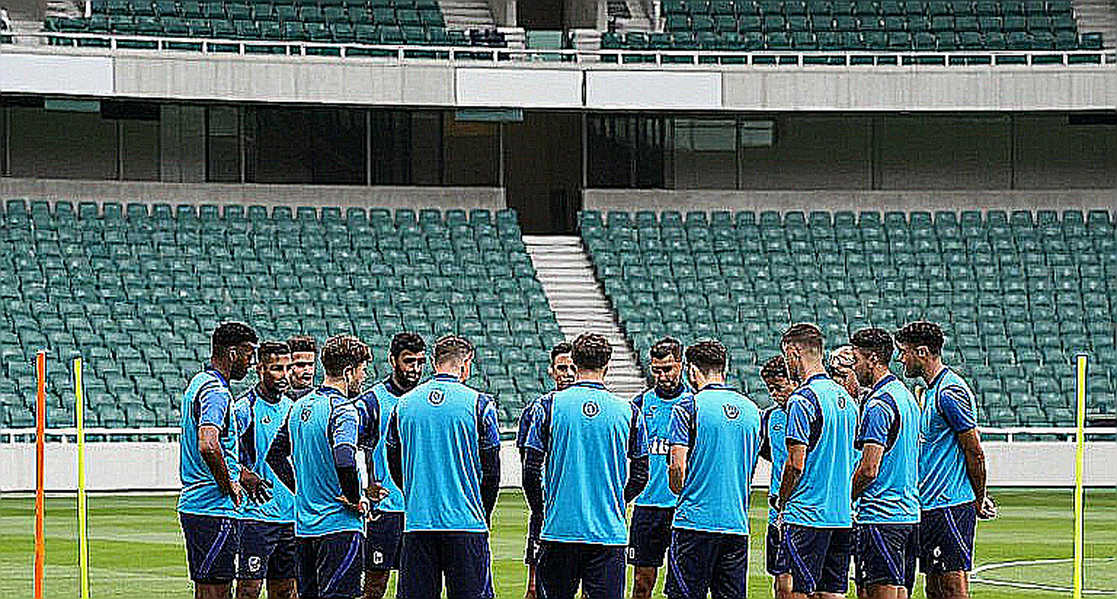
My answer is: yes. But write about it with respect. Do not dismiss it as a trivial commercial detail. Because behind every shirt is a human story — about fans who have spent a lifetime loving a club, about children receiving their first shirt from their parents, about elderly supporters who still come to the stadium every weekend even though their club no longer wins trophies.
Empty stadiums dropped home win rates from 43% to 34% — people are the most hidden tactical factor. And a shirt is one of the ways to connect people to a club.
I will verify this in Everton's next match. Not by looking at possession or shot counts. But by looking at the stands — seeing how many people wear green. Seeing whether the shirt creates a new kind of noise. Seeing whether a design decision can become part of tactics in ways no one expected.
Because in the end, football is not only played on grass. It is played in the hearts of those who believe a shirt can be a part of who they are.